How We Are Tearing Down the Walls Between Sound
A WORLD WITHOUT BORDERS
No borders. No labels. Just sound. From ambient textures melting into trap metal to K-pop fusing with indie guitar riffs, today’s music isn’t just genre-blending — it’s genre-breaking. In this issue, we spotlight the movement that’s reshaping modern music culture: the rise of the genreless mindset. Tune in.
The playlist has become a collage, a patchwork of contradictions and curiosities. This isn’t randomness; it’s curation with intuition. Music has evolved from identity statement to emotional mirror, flexing with moods and moments. Genre is no longer a boundary — it’s a jumping-off point.
Welcome to the genreless generation.
FEATURE ONE: A PLAYLIST WITH NO RULES
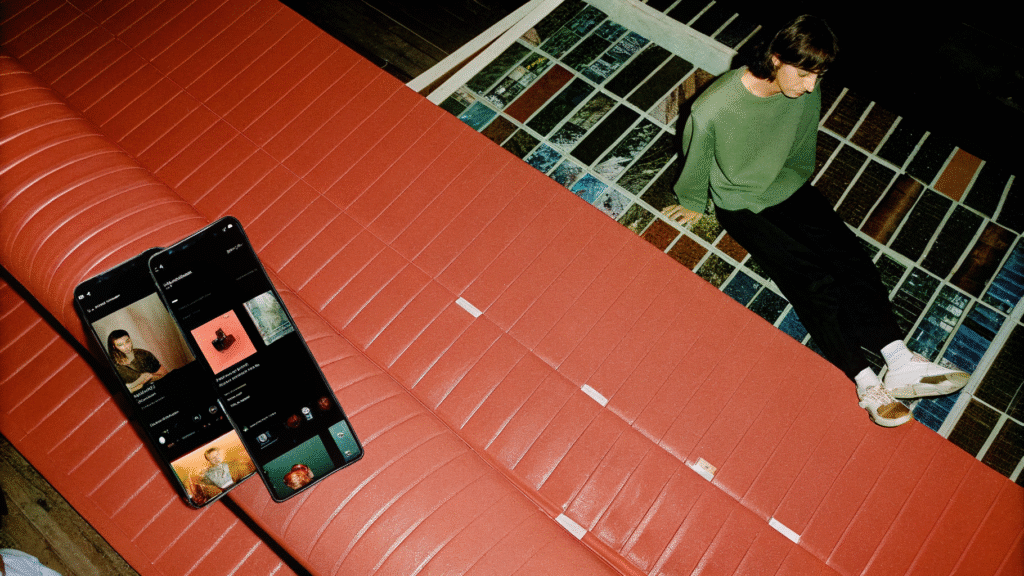
Algorithms, chaos, and mood-driven listening. Streaming platforms have transformed discovery into a personal adventure, far from the rigid lanes of radio or record stores. Playlists jump from Arca to Phoebe Bridgers to Playboi Carti — and that’s just the first five tracks.
Platforms like Spotify, YouTube, SoundCloud, and TikTok now deliver songs not based on genre, but on vibe, behavior, and energy. Listeners skip freely between sounds that once lived in completely separate worlds. The DJ is a bot, the filter is a feeling, and every queue is a trip through time, space, and influence.
Scroll through any young listener’s music library and you’ll find stark contrasts: ambient drone tracks adjacent to metalcore breakdowns, bubblegum K-pop blending into vaporwave, lo-fi beats merging with experimental hip hop. What once would have felt incoherent now feels inevitable.
Add TikTok to the mix, and things get even wilder. Ten-second snippets catapult obscure tracks into the global spotlight, divorced from albums or artists. A single slowed-down chorus might generate millions of views, dance challenges, memes — and new fans who only know the hook.
Meanwhile, music forums, Discord channels, and algorithm-generated playlists act as new community hubs. Curation is collaborative. Discovery is endless. And the idea that one must belong to a single genre “tribe” is obsolete.
Pull Quote:
“My playlist goes from Björk to Bladee to an old-school Bollywood track. That’s the point.”
Visuals:
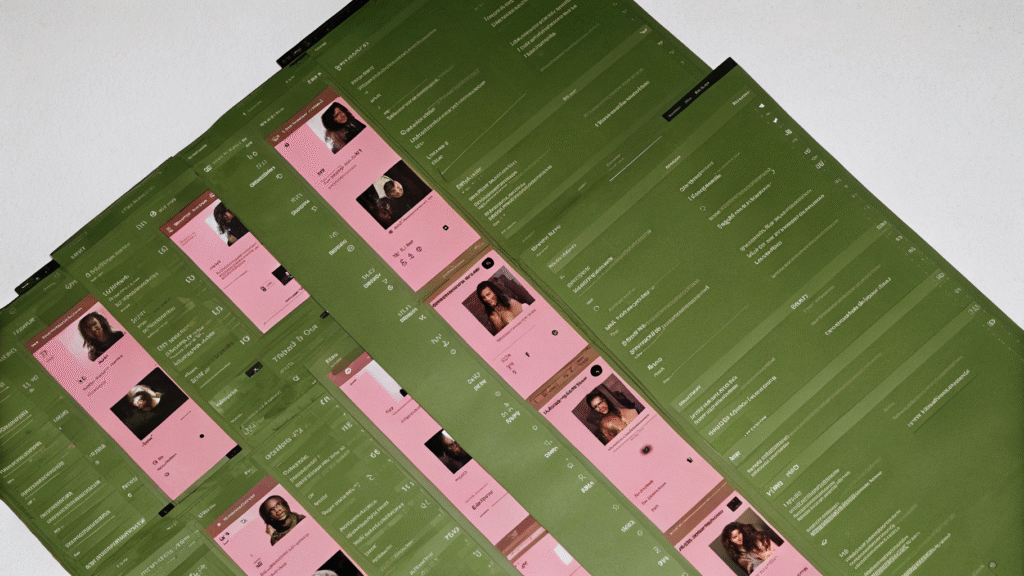
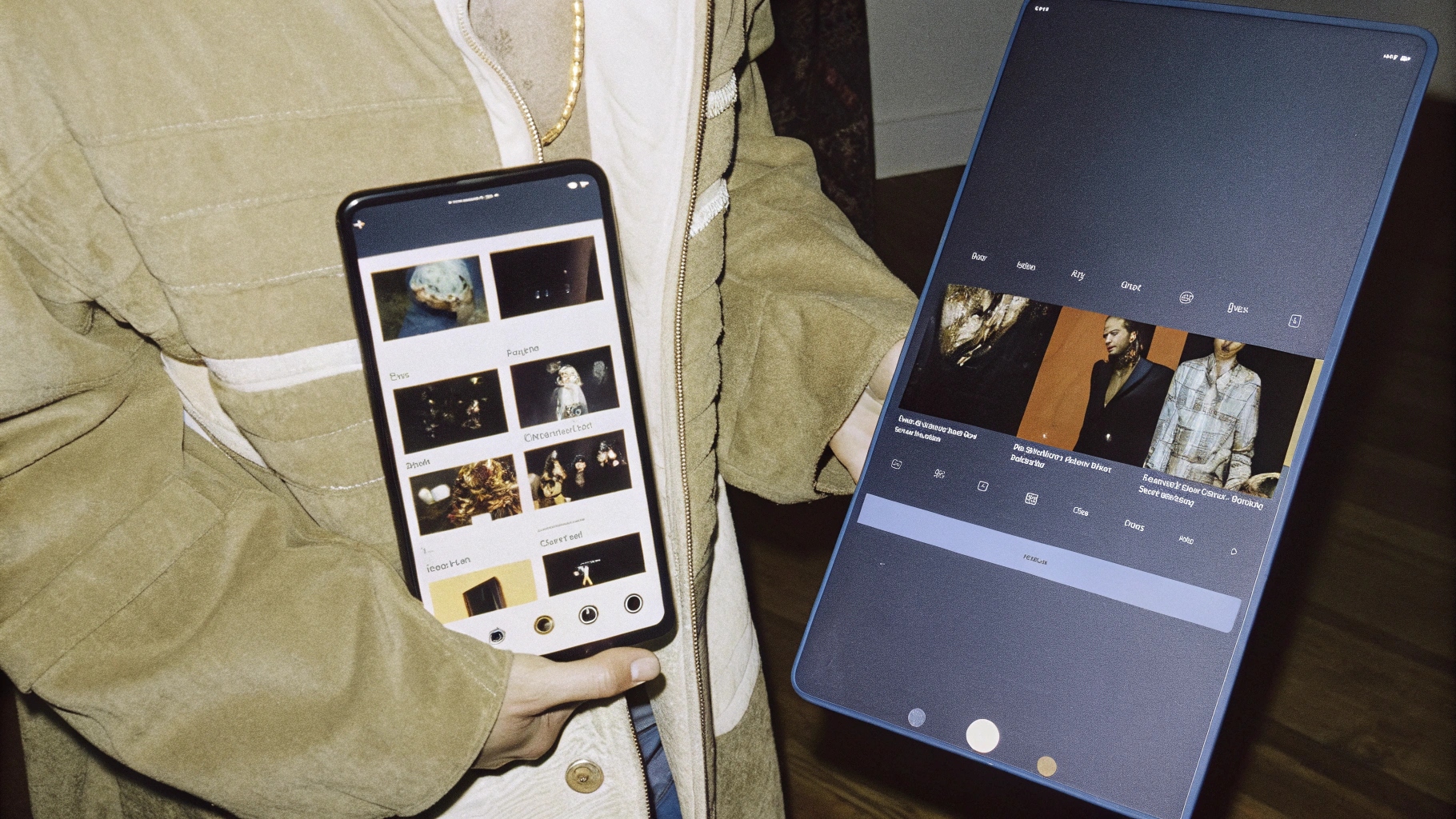
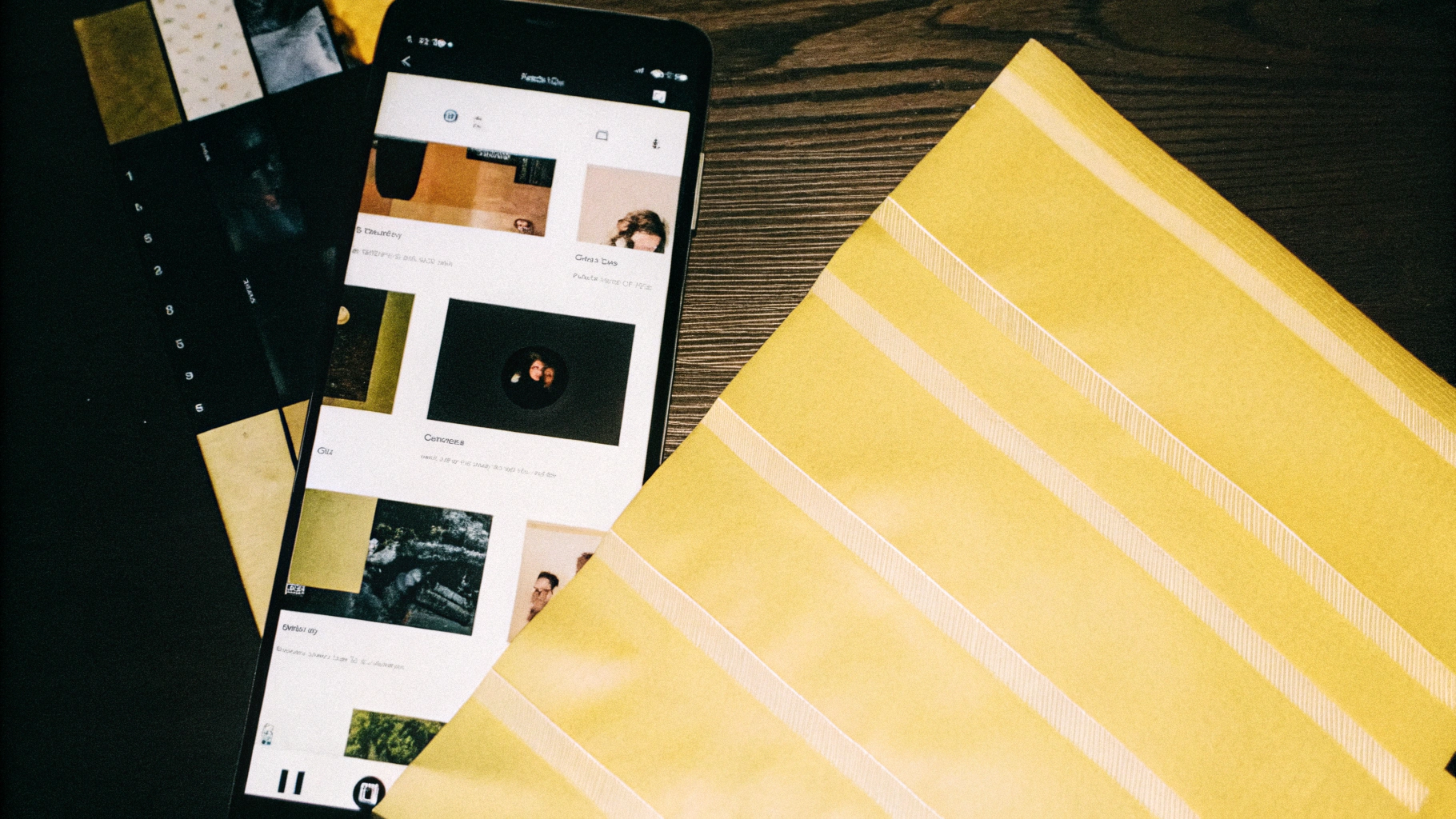
Dynamic playlist UI mashups
TikTok trend clips
Fan-generated album lists with cross-genre chaos
FEATURE TWO: MEET THE HYBRIDS — ARTISTS REDEFINING SOUND
Meet the new wave of sonic shapeshifters. These artists are remixing influences, moods, and even their own voices to build something entirely new.
Yeule: Digital melancholia meets ambient dream-pop, glitchy and intimate. A soundscape of emotion inside a digital avatar.
100 gecs: Noise, ska, metal, EDM, autotune overload — chaotic, maximalist, and weirdly catchy.
Jean Dawson: Anthemic punk-pop with cinematic flourishes and a trap heartbeat.
BIBI: Subverts K-pop expectations with sultry vocals, noir-pop visuals, and R&B inflections.
Arca: A sonic shapeshifter blending experimental electronics with operatic and Latin foundations.
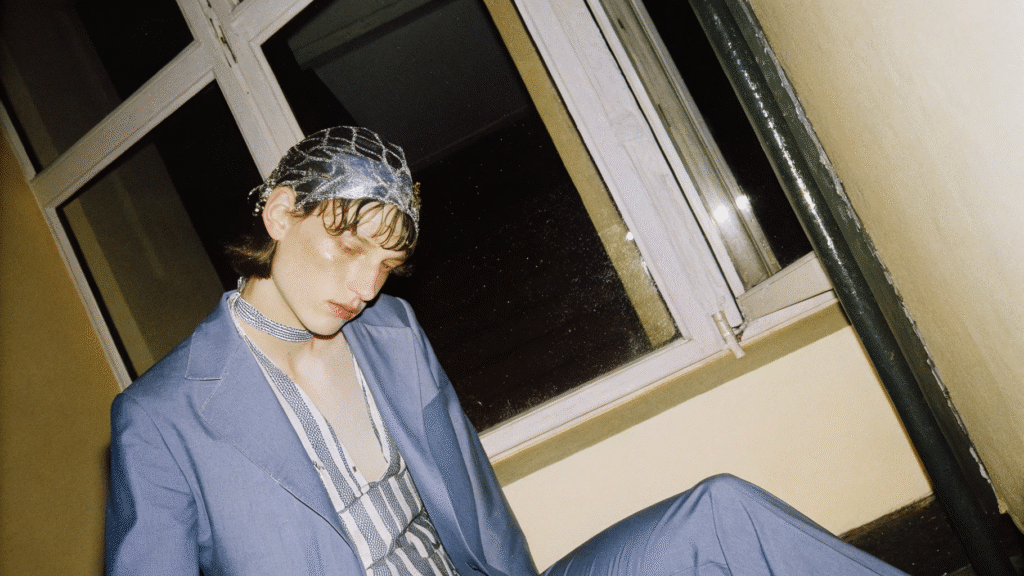
underscores: Alt-pop with footwork, breakbeats, and existential lyricism.
These aren’t genre experiments. They’re full-on redefinitions. The artists create from instinct, not taxonomy. They’re as fluent in SoundCloud rap as they are in classical piano. Their music reads like a moodboard, not a catalog.
Pull Quote:
“Genre? That’s for playlists. I’m making worlds.”
Visuals:
High-contrast artist portraits
Snippets of lyrics as graphic design
Side-by-side of aesthetic influences (anime, horrorcore, vintage pop)
FEATURE THREE: WHY THIS MATTERS — CULTURE BEYOND MUSIC
Music mirrors culture, and the genreless shift says more than just “we like different sounds.” It echoes how identity is being reshaped in the 21st century.
Fluidity is everywhere. From gender and fashion to politics and expression, young people are rejecting hard lines. Labels feel reductive. Nuance is the new norm. Music — once divided by borders, formats, and fan factions — is now a space of crossover and contrast.
There’s also a resistance at play. A refusal to fit the industry’s mold. Genres were once used to market and segregate. What was punk. What was hip hop. What was for whom. The new musical underground isn’t just breaking those walls — it’s ignoring they ever mattered.
Mental health, too, is part of this. In an emotionally complex world, music becomes a toolkit for self-regulation. Want to cry to an auto-tuned ballad? Or dance to doom metal? That’s not strange — it’s survival.
Critics might worry about dilution or loss of roots. But what’s really being built is a language that reflects the full emotional and cultural range of a generation unafraid of contradictions.
Infographic:
Timeline of genre overlaps (punk + rap, jazz + trap, emo + electronic)
Survey results: “Do you care what genre a song is?” (Spoiler: No.)
FEATURE FOUR: THE LOOK OF SOUND
If genreless music is bending ears, it’s also bending eyes. A new wave of visual culture is emerging alongside the sound — experimental, surreal, maximalist, ironic, and deeply internet-native.
Cover art now pulls from glitchcore, collage aesthetics, retro-futurism, and early 2000s visual junk. TikTok edits layer VHS filters over digital tears. Artists embrace avatars, AI animation, or post-human personas.
Yeule: cyborg princess meets digital sculpture
Arca: alien futurism + latex fashion + visual noise
100 gecs: warped DIY punk cartoon fever dream
These aesthetics aren’t just add-ons. They’re part of the music’s message. What you see is part of what you feel. And in the genreless world, the look often defies category as much as the sound.
Fashion is a key player too: gorpcore meets ravewear, soft grunge meets cosplay, deconstructed couture meets street-level rebellion. Artists like Ecco2k or BIBI aren’t just making music — they’re crafting full sensory experiences.
Moodboard:
Stylized album covers
Instagram grids with surreal edits
Street-style photos + stage looks
CLOSING FEATURE: MUSIC WITHOUT MAPS
Genres aren’t dead. They’re just background noise. The real action is in the overlaps.
This isn’t a rejection of tradition — it’s an evolution. The tools of sound, style, and identity are being rearranged. Music is once again wild, unstable, and deeply personal.
And the best part? There’s no right way to listen.
Pull Quote:
“The future isn’t one sound. It’s all of them. At once.”
SIDEBARS & DIGITAL EXTRAS
Playlist Embed: “The Genreless Generation Mix”
Quote Carousel: Short insights from featured artists
Interactive Quiz: “What genre are you today?”
Fan Picks: Viral TikToks that break genre logic
Gallery: Visual timeline of sonic-visual aesthetics
NTRODUCTION: A WORLD WITHOUT BORDERS (Approx. 1000 words)
Imagine a playlist where shimmering ambient textures collide with high-octane trap metal, where the sweetness of K-pop dissolves into glitchy hyperpop, and an indie guitar riff unexpectedly drifts into lo-fi R&B. For many young listeners today, this isn’t chaotic — it’s natural. The old rules of genre have become irrelevant. The new listening culture is fluid, playful, unpredictable, and wide open.
This genreless mindset is not a niche rebellion but a full-scale shift in how young people interact with music. With streaming services, TikTok algorithms, and global connectivity, listeners are no longer confined to tribal categories. Instead, they’re building sonic identities that are deeply personal, mood-based, and creatively mixed. It’s less about allegiance to a sound and more about chasing an emotion, an aesthetic, or even a meme.
This article explores how this genre-blending trend is unfolding — not just in what people listen to, but how artists create, how visual identities evolve, and how the very concept of music as a cultural artifact is being redefined. Welcome to the genreless generation.
SECTION 1: A PLAYLIST WITH NO RULES
Once upon a time, discovering new music meant going to a record store, listening to a radio station, or following a specific scene. Now, discovery is decentralized, chaotic, and oddly personal. Platforms like Spotify, YouTube, and TikTok feed songs directly to listeners based on mood, behavior, and obscure algorithms. The result? A new era of musical exploration that smashes traditional boundaries.
Scroll through any young person’s music library and you’ll find stark contrasts: ambient drone tracks adjacent to heavy metal, bubblegum pop blending into vaporwave. Streaming platforms now recommend music based not on genre, but on habits, energy, and aesthetics. It’s entirely normal for someone to go from Arca to Frank Ocean to an obscure Japanese breakcore artist — all in one sitting.
TikTok has further blown open the doors. A 10-second clip of a song can go viral without context, often isolated from the artist’s broader discography. This has led to songs becoming memes, background vibes, or sonic trends rather than cohesive works within a genre. One viral moment can turn a forgotten track from 2014 into the biggest hit of the week.
Music-sharing Discords, Reddit threads, and personalized playlists have taken on the role of community curators. Instead of belonging to one musical tribe (punk, metalhead, hip-hop head), young people now build their identity from an eclectic array of influences. It’s not rebellion; it’s reimagination.
SECTION 2: MEET THE HYBRIDS — ARTISTS REDEFINING SOUND
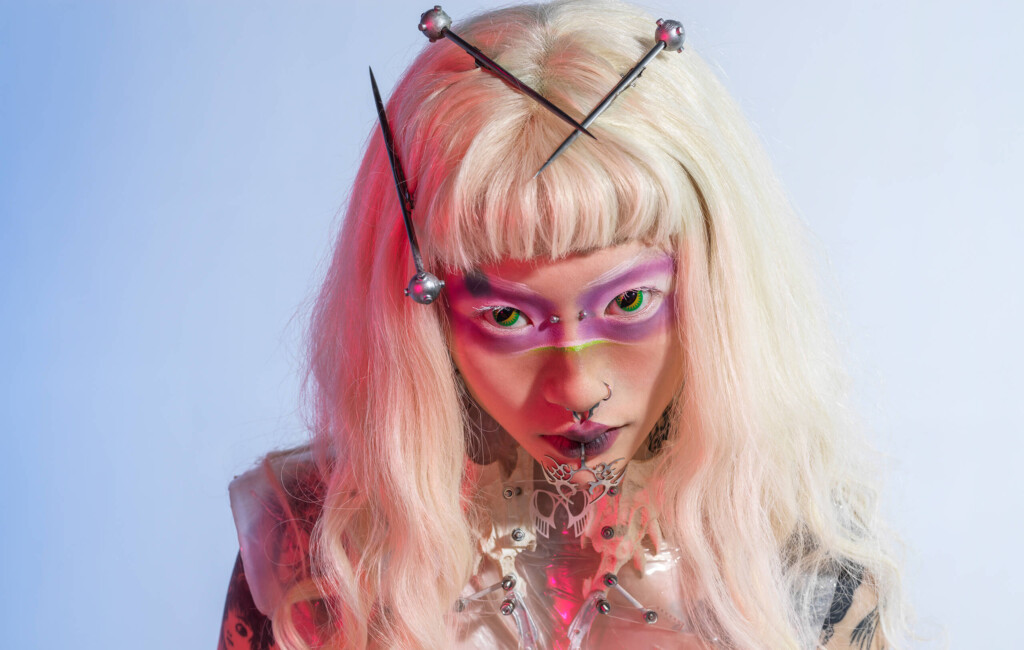
This shift isn’t just happening among fans — the artists themselves are leading the charge. Emerging musicians today are raised on mashups, remixes, and the full buffet of internet-era sounds. The result? Artists who wear influences like accessories, switching aesthetics as fluidly as changing outfits.
Take Yeule, a Singaporean-born artist whose music drifts between ambient, noise, and ethereal pop. Their sound feels like the emotional core of a sci-fi film rendered in soft vocals and glitchy textures.
But you still can find the heavy pop music genetic in her music, as the following her songs, the overall is quite the dark sound, with srong sounds and textures experiemnts but at tyhe same time sounds quite pop, which is a good balance between the ‘experiemtal’ and ‘pop’ elements. The sounds she uses tends to quite heavy, dark, and especially with heavy audio effects on vocals and other audio processings make the sound dirty and more underground with punkand rock, but she is doing a good example how can make the music hat experiemt with more sounds and effects that is unsual could be listerend in strandard commercial pop music, but at the ame time, make the sound and music devlop andd grow on the base of pop music.
Or look at 100 gecs, a duo whose chaotic, genre-defying songs combine ska, metal, EDM, and chipmunked vocals — deliberately absurd, yet deeply affecting.
Jean Dawson is another standout, making music that sounds like an anthem for a future youth riot: punk, trap, emo, orchestral and cinematic all at once. BIBI, a South Korean artist, blends K-pop’s precision with indie rawness and R&B groove. And Arca — a titan of experimental music — fuses club beats, operatic elements, and Latin rhythms into immersive, challenging work.
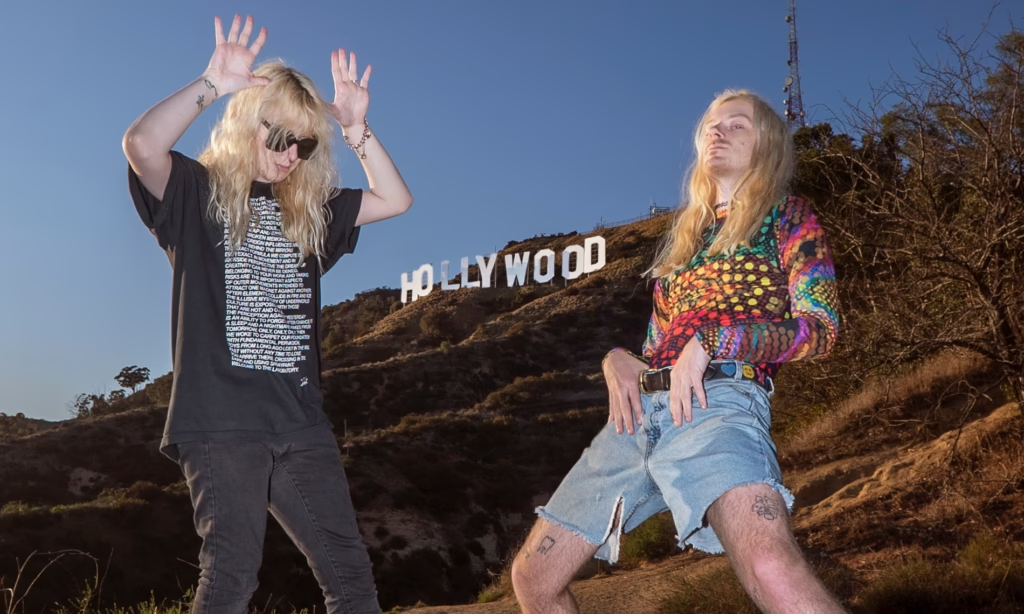
These artists aren’t outliers. They’re emblematic of a movement that prioritizes feeling over fidelity to genre. They jump between styles not to show off, but because the emotional texture of a song demands it. And their listeners — flexible, curious, and constantly online — are more than ready to follow.
SECTION 3: WHY THIS MATTERS — CULTURE BEYOND MUSIC
This shift in musical culture reflects something deeper happening across society. The genreless mindset mirrors how many young people approach identity: fluid, hybrid, and ever-evolving. Just as labels around gender, culture, and aesthetics are being questioned or dissolved, so too are the boundaries in music.
Rejecting genres can also be seen as a pushback against corporate gatekeeping. For decades, genres were enforced by labels and radio stations to make marketing easier. But the internet — with its abundance of user-generated content and niche discovery — has made those barriers obsolete. Artists are no longer bound by needing to “fit in” to get signed or played. They can upload directly to fans, who are hungry for raw authenticity over polished conformity.
There’s also a mental health component to this change. As the world grows more chaotic and uncertain, many young people use music not for identity politics, but for emotional navigation. A genreless playlist becomes a form of self-care — letting them ride emotional highs and lows without restriction.
Some critics say this blending dilutes artistry or removes cultural roots. But others argue it’s a return to the idea of music as expression first — not commodity. Genre isn’t disappearing; it’s just no longer the organizing principle. Like fashion or language, it’s being hacked, remixed, and redefined.
SECTION 4: THE LOOK OF SOUND — VISUALS IN A GENRELESS ERA (Approx. 1000 words)
Music isn’t just heard — it’s seen. And the visual culture around genreless music is just as wild and experimental as the sound itself.
Album art is no longer confined to neat graphic design. Instead, we see digital collages, distorted portraits, and surreal dreamscapes that blur the line between cover art, internet meme, and fashion lookbook. Artists like Yeule and Arca, for instance, often present themselves as digital avatars or mythical beings — pushing boundaries of identity and presentation.
The aesthetic movements that orbit genreless music — vaporwave, glitchcore, dreamcore, internet trash, post-Instagram minimalism — reflect a break from the polished mainstream. TikTok edits and Instagram reels now serve as micro-aesthetic spaces where music and visuals coalesce. A song might go viral not because of its sound, but because of the way it looks in a carefully edited montage.
Fashion plays a central role, too. From dystopian cyberpunk looks to nostalgic Y2K styling, young musicians use clothing to reflect their hybrid identities. Collaborations between musicians and fashion houses (e.g., Yeule x Gentle Monster, Arca x Balenciaga) reflect this new interplay where music is part of a broader art direction.
Visual storytelling is now essential to musical storytelling. Whether through music videos, social media filters, or even AR experiences, artists use visuals to expand the world of their sound. And for fans, these aesthetics become another way to signal taste, mood, and belonging — even when the sound itself is unclassifiable.
CONCLUSION: MUSIC WITHOUT MAPS (Approx. 500 words)
The genreless movement isn’t a gimmick. It’s a reflection of deeper changes in how young people experience the world: not through static categories, but through fluid connections. Music has become a canvas — not just of sound, but of identity, mood, resistance, and experimentation.
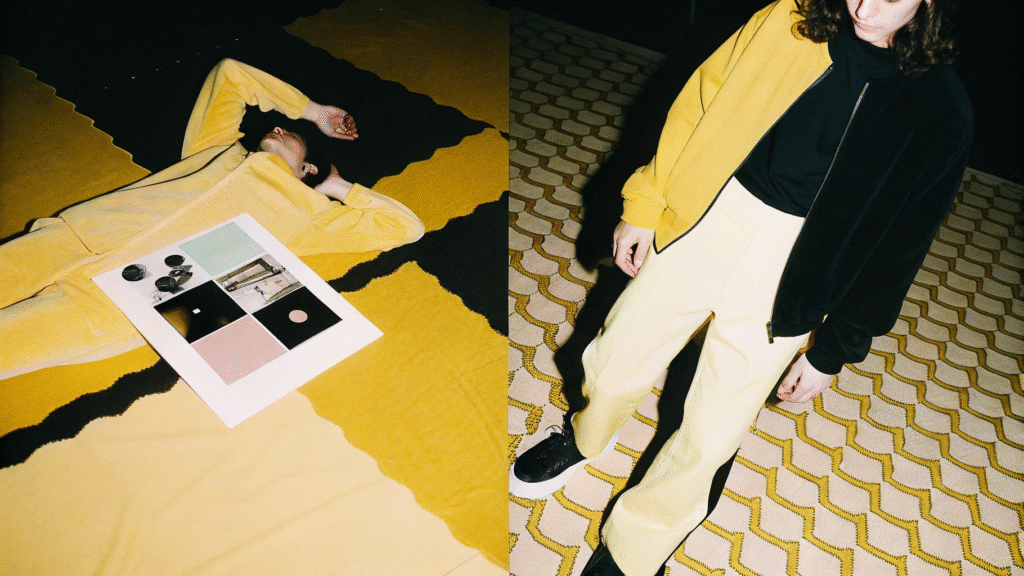
In a way, this moment isn’t unprecedented. Genre-crossing artists have always existed — from Prince to Björk to Outkast. But what’s different now is how widespread and normalized genre-blending has become. It’s no longer the exception. It’s the default.
The young generation isn’t killing genres. They’re freeing them.
And in the process, they’re creating a future of music that’s harder to define — but far more exciting to explore.
Sidebar Suggestions (for Digital Use)
Embedded Playlist: “The Genreless Generation” curated mix on Spotify/Apple Music
Artist Quotes Carousel: Scrollable interface with short statements from featured artists
Moodboard: Stylized layout of visual aesthetics from glitchcore to vaporwave
Video Content: Embedded TikToks and short-form videos of genre-blending songs
Quiz: “What Genre Are You Today?” – fun personality-style interactive feature